Understand the condition
Review visible damage, photographs, prior reports, leaks, pest history, movement and alterations before defining a construction scope.


SCOTTSDALE · TUCSON · PHOENIX
Damaged beams, framing or roof trusses? Request a structural repair review in Scottsdale, Tucson or Phoenix. Share the property location and what needs repair—no plans or engineering report are needed to start.
SEE OUR WORK
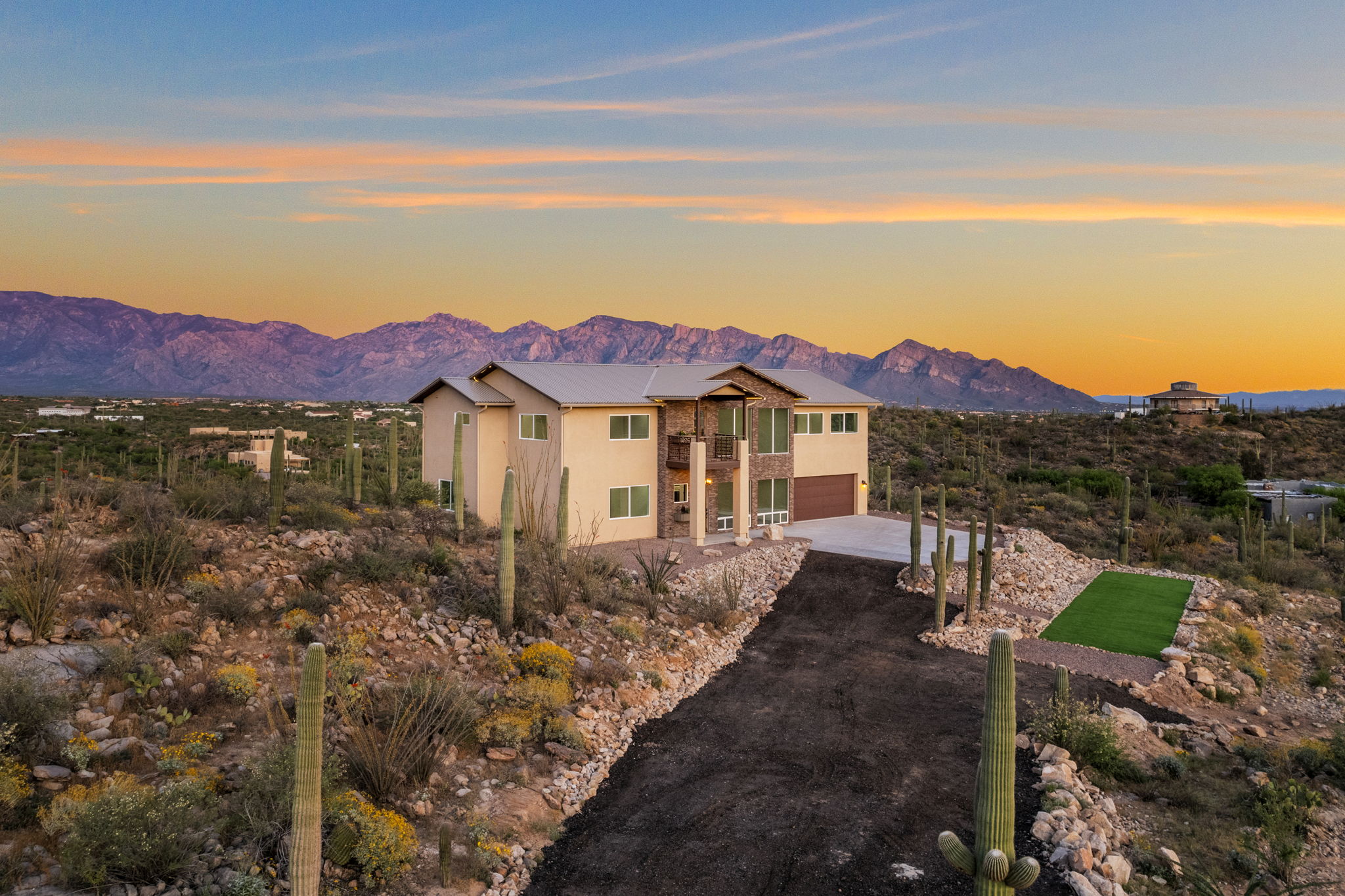
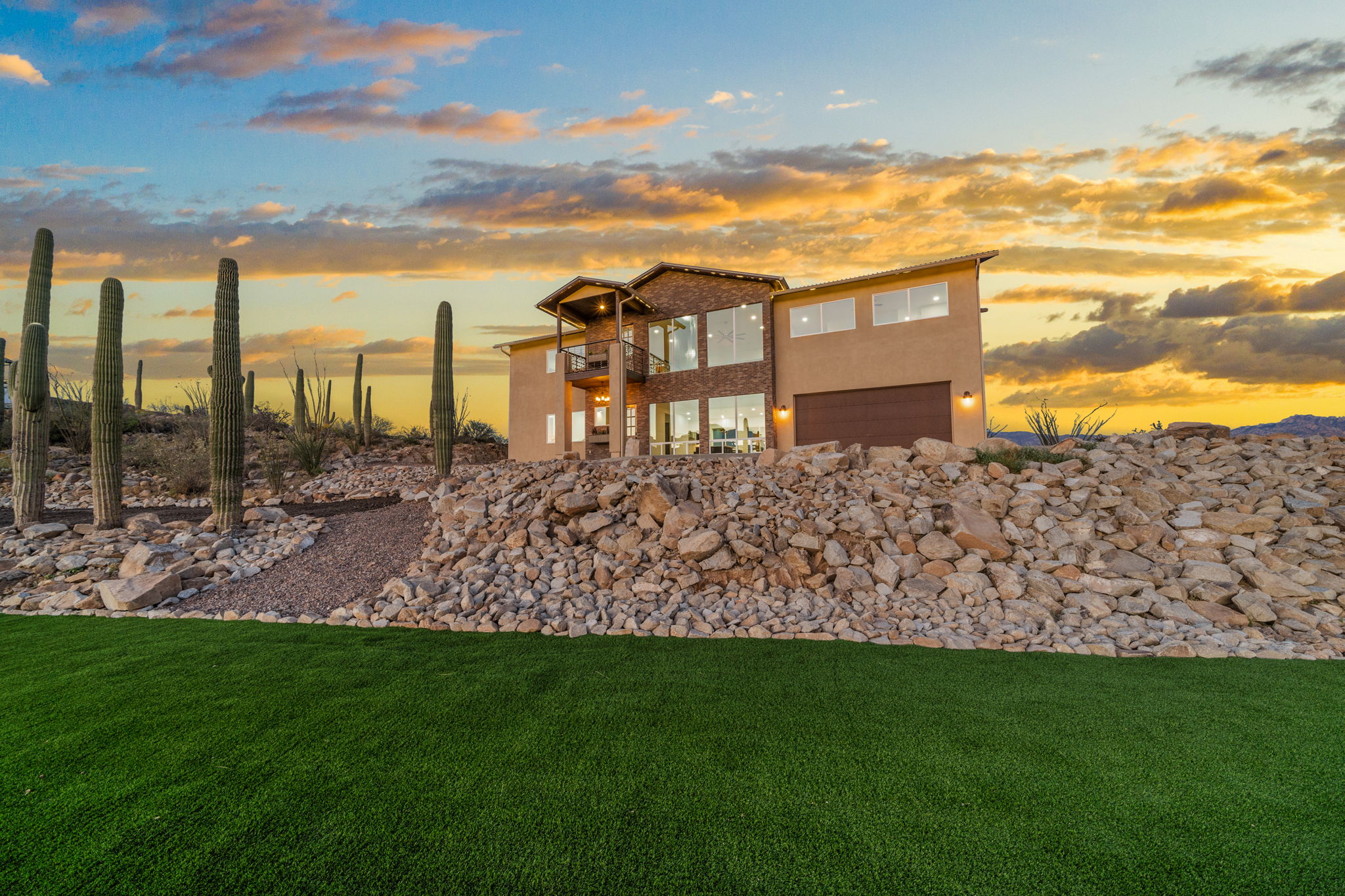
Exterior and interior details from a completed Good Boy Builders custom home. These project photos show our construction and finish work; your structural repair scope will be reviewed separately.

UNDERSTANDING STRUCTURAL REPAIR
Structural repair restores damaged or altered building components so loads can move safely through the structure again. The work may involve framing, beams, trusses, posts, bearing walls, connections, balconies or foundation-related components. Good Boy Builders coordinates the construction around the repair design, temporary support, access, inspections and the finish work needed to close the building back up.
Review visible damage, photographs, prior reports, leaks, pest history, movement and alterations before defining a construction scope.
Coordinate structural engineering, details, materials, connections, permits and inspection requirements appropriate to the property.
Plan access, protection, shoring, demolition, installation, verification and restoration as one connected sequence.
CAPABILITIES
The correct repair depends on what is damaged, why it failed and how the affected component connects to the rest of the building. We organize the field scope around the available reports, approved details and existing conditions instead of treating a crack or sag as an isolated symptom.
Final scope is established from the existing conditions and project documents. Work requiring structural design, analysis or certification is coordinated with the appropriate Arizona-registered design professional.
REPAIR THE CAUSE, NOT ONLY THE SYMPTOM
Water intrusion, drainage, pests, soil movement, overloading or a prior alteration may need to be addressed before reconstruction can perform as intended.
Temporary shoring and the order of demolition and installation matter whenever an existing beam, post, wall or connection is carrying load.
Ceilings, stucco, roofing, flooring, cabinetry or utilities may limit access and should be included in the repair plan and working budget.
OUR PROCESS
Send the property address, photographs, history of the issue and any inspection, engineering or insurance documents already available.
Identify the evaluation, structural design, permit and investigation requirements needed before reliable pricing.
Define protection, shoring, demolition limits, trade coordination, inspections and finish restoration before mobilization.
Complete the work in the required sequence, document concealed conditions and coordinate inspections or professional observations.
CONNECTED CONSTRUCTION
Keeping repair, access, utilities, weather protection and finish restoration under one construction plan helps reduce gaps between the engineer, inspectors and field trades.
SERVICE AREA
Good Boy Builders considers structural-repair projects in Scottsdale, Phoenix, Paradise Valley, Fountain Hills, Cave Creek and Carefree, and Tucson-area projects within approximately 15 miles of Tucson Mall. Each project is reviewed for scope, access and schedule.
QUESTIONS, ANSWERED
Early documentation helps determine whether a project is ready for pricing or still needs engineering, investigation or permit information.
Not always. Photographs, the property address and a short history are enough to begin a fit review. If the repair requires structural analysis or design, that work should be completed by the appropriate registered professional before final construction pricing.
Damaged beams, posts, trusses, bearing walls, connections, balconies and foundation-related components may be structural. Cracks, sagging or sticking openings can have several causes, so visible symptoms alone do not establish the repair.
Sometimes. The answer depends on the affected area, shoring, dust and weather protection, utility interruptions, safe access and inspection timing. Those constraints should be identified before work begins.
Finish restoration can be included when it is part of the agreed scope. The proposal should state which surfaces must be opened, what will be restored and whether owner selections or matching limitations apply.
Yes, when reconstruction follows an appropriate repair scope and the moisture or pest source has been addressed. Concealed damage may change the field scope after affected finishes are opened.
Many repairs and alterations involving structural components require plans, review, permits or inspections. Requirements depend on the property and scope, so the governing jurisdiction and design professional should confirm the project-specific path.
The main cost drivers are the repair design, beam size and material, temporary support, access, demolition, nearby utilities and finish restoration. Permit and inspection requirements can also affect the scope. Photographs can start the conversation, but final pricing depends on the repair documents and existing conditions.
Send the property city or ZIP code, a description of the damage, when you first noticed it, photographs taken from a safe location, and any inspection reports, engineering details or plans already available. Include your timing and budget expectations if known. You do not need completed plans to request an initial project review.
Repairing damaged framing and treating an infestation are different parts of the project. The pest or moisture source should be addressed before reconstruction. Ask for the proposal to identify who is responsible for treatment, repair, access and finish restoration; do not assume pest treatment is included in the construction scope.
Structural analysis, design and certification should come from the appropriate Arizona-registered design professional when required. Good Boy Builders coordinates construction around those repair documents. Share any existing engineering report at the start, and confirm responsibility for additional design work before final pricing.
The schedule depends on investigation, engineering, approvals, material availability, access, the repair sequence and finish restoration. Concealed damage can change the scope after work is opened up. A useful schedule separates preconstruction and approvals from the on-site repair; the project-specific timeline should be established after review.
START WITH THE EVIDENCE
Share the property location, visible conditions, when the issue began and any engineering or inspection documents. We’ll review whether the project is ready for a construction conversation.